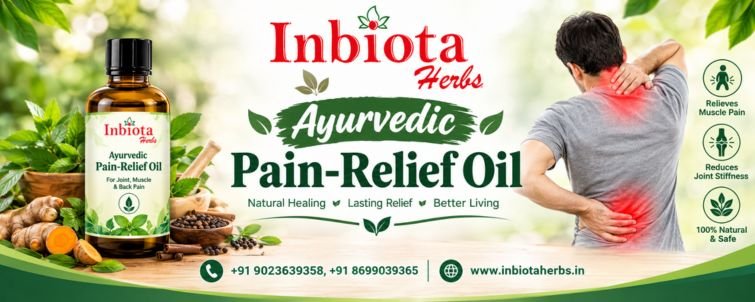
Ayurvedic Pain-Relief Oil | Inbiota Herbs
Using an Ayurvedic Pain-Relief Oil offers a time-tested approach to easing physical fatigue, postural stress, and muscle tightness. In our fast-paced modern lifestyles, long desk hours, intense workouts, or simple age-related stiffness often leave the body feeling weary. When seeking traditional ways to support daily comfort, many individuals turn to the centuries-old practices of Ayurveda.
Ayurveda emphasizes a holistic approach to maintaining bodily balance and overall well-being through lifestyle practices, dietary discipline, and topical herbal applications. Among these traditional self-care routines, topical oil application has stood the test of time as a practical and soothing ritual. Brands like Inbiota Herbs continue to explore these classical wellness philosophy frameworks, helping people incorporate time-tested botanical formulations into their personal care regimens.
In this comprehensive guide, we will explore what traditional herbal formulations are, how botanical extracts interact with massage techniques, key herbal ingredients, practical application methods, and how you can choose an appropriate product for your routine.
What Is Ayurvedic Pain-Relief Oil?
An Ayurvedic Pain-Relief Oil is a topically applied liquid formulation made by infusing traditional base oils with selected botanical extracts, herbs, and natural essential oils. Unlike fast-acting synthetic gels or cold sprays, classical Ayurvedic formulations rely on traditional preparation methods (such as Sneha Paka) that slowly process whole herbs into nourishing oil bases.
Historically, herbal formulations have played a fundamental role in Indian self-care and body therapies (Abhyanga). When you apply a high-quality product topically, it creates a gentle glide over the skin. As a result, the friction and warmth generated during massage easily loosen physical tension.
If you want to explore holistic daily care, choosing a well-balanced formula from trusted wellness brands like Inbiota Herbs provides an inviting entry point into traditional Indian body care rituals.
How Ayurvedic Oils Are Traditionally Used for Pain Relief
In classical Ayurvedic literature, physical tightness and stiffness stem from an imbalance in Vata dosha, which is the energetic principle governing movement within the body. Traditional texts characterize Vata as dry, light, and cold. Consequently, warm, rich, and unctuous botanical blends naturally counteract these dry and cold attributes.
Regular massage with an Ayurvedic Pain-Relief Oil enhances your traditional wellness routine in several distinct ways:
- Enhancing Local Warmth: The physical friction generated by massaging an Ayurvedic Pain-Relief Oil onto skin produces localized heat, which quickly warms up tense muscles.
- Promoting Circulation: Gentle, rhythmic strokes encourage healthy blood circulation and fluid movement throughout tired limbs.
- Easing Muscle Stiffness: The deep penetration of warm oil combined with manual strokes relaxes rigid muscular tissues and supporting joints.
- Supporting Mental Relaxation: Furthermore, the ritual serves as a grounding mindfulness activity that significantly reduces day-to-day stress.
However, you should keep in mind that traditional practices support general bodily comfort and mobility rather than serving as medical cures for clinical disorders.
Common Herbal Ingredients in Ayurvedic Pain-Relief Oils
The effectiveness and sensory experience of an Ayurvedic Pain-Relief Oil depend heavily on its choice of botanical ingredients. Formulations crafted by Inbiota Herbs draw upon a rich library of traditional Indian herbs known for their comforting properties:
1. Sesame Oil (Til Tel)
Considered the “king of oils” in traditional Ayurveda, pure sesame oil serves as a deeply penetrating base. Because it naturally warms the skin, it carries botanical extracts directly into muscle tissues.
2. Eucalyptus Oil (Nilgiri Tel)
Known for its crisp, invigorating aroma, Eucalyptus oil provides a soothing, cooling-then-warming sensation when you apply it topically. Therefore, it effectively distracts from localized discomfort.
3. Camphor (Karpura)
Formulators frequently add camphor to traditional herbal pain relief oil blends because skin absorbs it rapidly. Consequently, it creates a cooling feeling that quickly turns into gentle, soothing warmth.
4. Wintergreen Oil (Gandhapura Tel)
Rich in natural methyl salicylate, Wintergreen oil remains a classic component in Ayurvedic oil for pain management routines. Thus, practitioners celebrate it for easing tight joints and overworked muscles.
5. Garlic and Ginger (Lahsuna & Shunthi)
Herbalists regularly process these warming culinary herbs directly into base oils. Because they possess hot (Ushna) qualities, they ease stubborn stiffness and promote long-lasting thermal comfort.
Potential Benefits of Ayurvedic Pain-Relief Oil
Incorporating an Ayurvedic Pain-Relief Oil into your regular self-care routine offers several broad wellness benefits:
| Benefit Category | Associated Experience | How It Works |
| Muscular Comfort | Eases tightness after exertion | Physical manipulation with herbal oil for body pain relaxes stiff muscle fibers. |
| Joint Mobility | Encourages smoother joint movement | Warmth and lubrication ease stiffness around knees, shoulders, and wrists. |
| Sensory Soothing | Pleasant aromatic sensation | Natural aromatic compounds provide soothing sensory stimulation during application. |
| Stress Relief | Mindful body awareness | Regular body massage reduces overall nervous tension and promotes restful sleep. |
By consistently applying a quality Ayurvedic Pain-Relief Oil, you can easily maintain flexibility and minimize the physical strain accumulated throughout a demanding workday.
How to Use Ayurvedic Pain-Relief Oil Safely and Appropriately
To gain the best experience from your product, you must pay attention to your application technique and oil temperature. Follow these practical steps for a safe and effective self-massage:
1.Warm the Oil Gently:
Pour a small quantity of Ayurvedic Pain-Relief Oil into a heat-safe glass or stainless steel bowl. Next, place the bowl in hot water for 2–3 minutes to warm it gently. Avoid heating it directly over an open flame or inside a microwave.
2.Apply to Target Area:
Take a generous palmful of warm oil and spread it evenly over tired muscles, stiff knees, shoulders, or your lower back.
3.Massage with Gentle Pressure:
Massage the area using smooth, circular motions around your joints and long, sweeping strokes along straight limb bones. Maintain gentle to moderate pressure for 10–15 minutes.
4.Allow Absorption:
Leave the oil on your skin for at least 20–30 minutes so that your skin fully absorbs the botanical extracts.
5.Optionally Apply Warm Compress:
Finally, you can cover the massaged area with a warm towel or take a warm bath to wash off any excess surface oil while locking in heat.
Who May Consider Using Ayurvedic Pain-Relief Oil?
An Ayurvedic Pain-Relief Oil works as a versatile wellness solution that suits a broad range of active adults:
- Desk Workers: People who spend extended hours sitting in front of screens often suffer from upper back, neck, and shoulder tightness.
- Fitness Enthusiasts: Athletes and gym-goers can use a natural pain relief oil as part of their post-workout recovery routines to soothe tired muscles.
- Seniors: Older adults who want natural ways to support daily joint comfort and mobility frequently appreciate daily self-massage (Abhyanga) with an Ayurvedic massage oil.
- Manual Laborers: In addition, those who engage in continuous physical labor can benefit from evening massages to ease full-body tiredness.
Although these botanical extracts offer reliable daily comfort, you should remember that topical herbal products support general wellness rather than replacing professional medical treatments.
How to Choose the Right Ayurvedic Pain-Relief Oil
Because manufacturers offer numerous options today, selecting a suitable Ayurvedic Pain-Relief Oil requires careful consideration of key product traits:
- Authentic Formulations: Choose products made with traditional base oils (like sesame, mustard, or coconut) infused with real botanical herbs instead of cheap synthetic mineral oil bases.
- Skin Compatibility: Always check if the formulation matches your skin type. Sensitive skin usually requires mild botanical blends with lower concentrations of strong aromatic oils like camphor or eucalyptus.
- Clear Labeling: Ensure your chosen product provides detailed ingredient lists, clear instructions, and practical safety warnings.
- Brand Reputation: Select responsible brands such as Inbiota Herbs that emphasize thoughtful ingredient selection and honest product communications.
Why Consider Inbiota Herbs?
When selecting daily wellness products, transparency and quality matters. Inbiota Herbs focuses on bringing balanced, herbal formulations to consumers who seek effective natural body care solutions.
By blending traditional Ayurvedic principles with contemporary quality controls, Inbiota Herbs delivers authentic personal care options. Their approach to crafting body oils emphasizes natural botanical extracts, skin-friendly carrier bases, and pleasant aromatic profiles that fit smoothly into regular home routines.
When you integrate thoughtful products from Inbiota Herbs into your daily routine, you enjoy a grounding self-care experience backed by centuries of herbal wisdom.
Precautions and Responsible Use
To ensure a safe and pleasant experience whenever you apply an Ayurvedic Pain-Relief Oil, keep the following practical precautions in mind:
- Perform a Patch Test: Before complete application, apply a few drops of Pain-Relief Oil onto a small patch of your inner forearm. Wait 24 hours to ensure you do not experience redness, itching, or irritation.
- External Use Only: Always ensure that you apply topical herbal oils exclusively to intact skin. Never swallow or consume massage oils.
- Avoid Broken Skin: Do not apply oil on open cuts, active wounds, burns, rashes, or highly inflamed skin conditions.
- Keep Away from Sensitive Areas: Keep the product far away from your eyes, nostrils, mouth, and sensitive mucous membranes.
- Medical Evaluation: If you experience severe, persistent, swelling-associated, or unexplained pain, consult a qualified healthcare professional immediately. Botanical oils support daily lifestyle care, so you should never use them to delay proper medical diagnosis or clinical care.
Conclusion
Incorporating an Ayurvedic Pain-Relief Oil into your personal care routine offers a time-honored, holistic approach to managing daily physical discomfort. Through the combined benefits of gentle massage, localized thermal warmth, and time-tested botanical ingredients, applying an Ayurvedic Pain-Relief Oil eases muscle stiffness, supports joint comfort, and promotes deep physical relaxation.
Brands like Inbiota Herbs bridge ancient wellness practices with modern convenience, offering reliable formulations crafted for daily self-care rituals. By applying your topical oils mindfully and adhering to basic safety precautions, you can take a meaningful step toward maintaining daily body comfort and long-term physical well-being naturally.
Frequently Asked Questions (FAQs)
1. How often can I apply Ayurvedic Pain-Relief Oil?
You can safely apply an Ayurvedic Pain-Relief Oil once or twice daily, depending on your level of physical exertion and body tightness. Many individuals prefer applying it once in the morning to prepare for daily activities and once in the evening before bed to promote restful recovery.
2. Can I leave Ayurvedic Pain-Relief Oil on my skin overnight?
Yes, you can leave an it on your skin overnight if your skin tolerates the oil well and does not experience irritation. However, because strong herbal oils can stain bed linens, you may want to wear light cotton clothing over the massaged area or wash the surface oil off after 30 minutes.
3. Is Ayurvedic Pain-Relief Oil safe for sensitive skin?
While most natural formulations are gentle, herbs like camphor, eucalyptus, or wintergreen can occasionally cause reactions on sensitive skin. Therefore, you should always perform a patch test on a small area of skin before applying an Ayurvedic Pain-Relief Oil broadly across your body.
4. How long does it take to feel the benefits of an Ayurvedic Pain-Relief Oil?
You will typically feel localized warmth and surface relaxation within 10 to 15 minutes of massaging an Ayurvedic Pain-Relief Oil into your skin. However, experiencing long-term benefits for ongoing muscle tightness and joint mobility usually requires consistent daily application over several weeks alongside proper rest.
5. Can an Ayurvedic Pain-Relief Oil cure chronic joint conditions like arthritis?
No, an Ayurvedic Pain-Relief Oil does not cure, treat, or reverse medical conditions such as arthritis or structural joint damage. Instead, herbal oils provide temporary relaxation, surface warming, and comfort to stiff muscles surrounding the joints. Always consult a qualified physician for clinical treatment of chronic pain conditions.